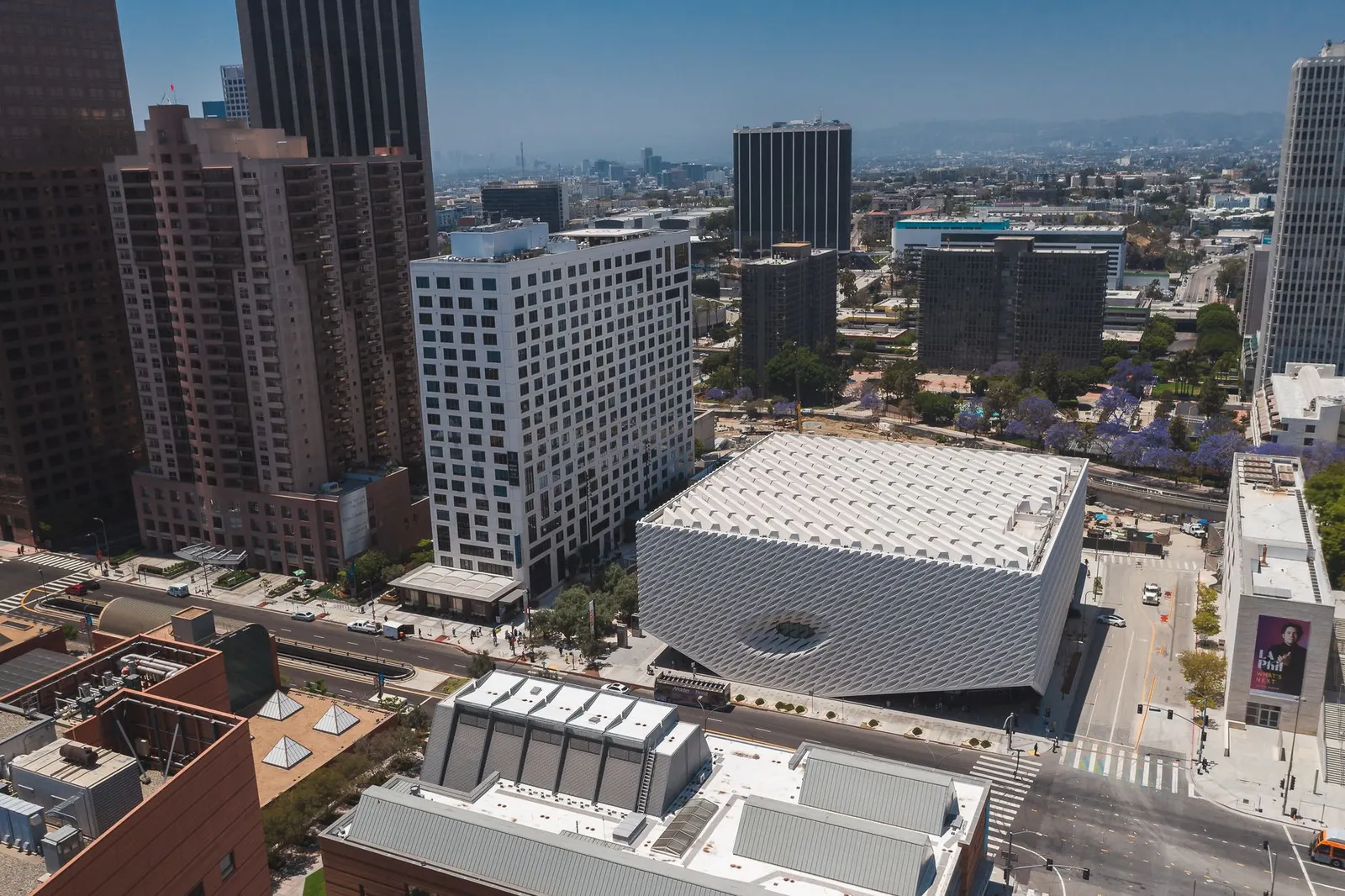
LA drone airspace authorization explained for real estate and production teams
If you are planning a drone shoot in Los Angeles, the first thing you will encounter is airspace. The Los Angeles control zone is one of the busiest in the country, and the distinction between controlled and uncontrolled airspace dictates whether you can launch within minutes or need to file days in advance.
LAANC versus DroneZone
The FAA provides two pathways for airspace authorization in Class B, C and D airspace, which covers the majority of the Los Angeles basin. Which one you use depends on the type of operation and the equipment you are flying.
LAANC (Low Altitude Authorization and Notification Capital) is the fast lane. If you are flying a sub-400 gram aircraft or operating under 400 feet AGL in a participating Class B, C or D area, LAANC can often return an authorization in minutes. The process is built into most flight planning apps; you input your location, altitude and time, and the system either grants or denies the request automatically.
FAA DroneZone is the fallback. If your aircraft exceeds 250 grams, if you need altitude above 400 feet, or if you are operating in an area where LAANC is not automatically available, you file through DroneZone. This is a manual process. You submit your request, and an FAA reviewer evaluates it. Turnaround can range from a few hours to several days, depending on workload and the specifics of the request.
In practice, most real estate and production pilots start with LAANC. If the map shows the request as authorized, you are clear to fly. If it does not, or if the mission requires higher altitude or a heavier lift, DroneZone is the next step.
FilmLA and production-specific permits
For commercial productions, corporate video or any drone work tied to a FilmLA-registered project, an additional permit is required. FilmLA does not use the LAANC or DroneZone system; it has its own approval process. You will need to submit a permit application through the FilmLA website, including details on the aircraft, the flight crew, the proposed dates and the exact locations. FilmLA coordinates with the FAA and local authorities, and approval can take several business days. It is common for production teams to file for a FilmLA permit well before the intended shoot date to account for this separate approval track.
Temporary flight restrictions and NOTAMs
Regardless of which authorization pathway you use, the first step before every flight is checking for active Temporary Flight Restrictions (TFRs) and NOTAMs. A TFR can be filed for a variety of reasons, a VIP movement, a major sporting event, a firefighting operation or a large public gathering. In Los Angeles, TFRs are frequent, and they can override a previously granted LAANC authorization.
The FAA’s B4UFLY app and the official NOTAM database are the standard tools for this check. Many flight planning apps integrate these feeds, but it is worth developing a habit of checking them immediately before launch, especially in a city where TFRs can be issued on short notice.
Controlled versus uncontrolled airspace
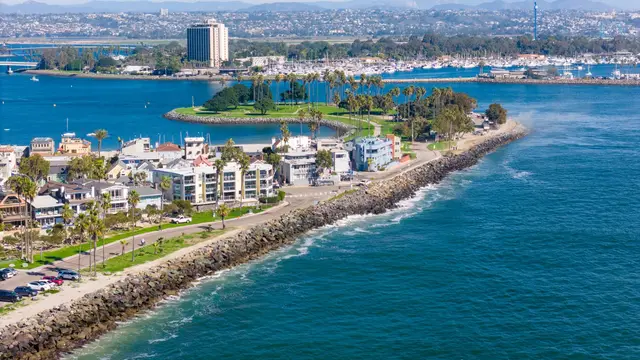
Not all of the Los Angeles corridor is Class B or C. There are pockets of uncontrolled airspace (Class G) where neither LAANC nor DroneZone authorization is required, provided you remain below 400 feet AGL and comply with basic Part 107 rules. However, these areas are limited, and many of the prime real estate and production spots, beachfront properties on the coast, high-rise listings in downtown, venues near the airports, fall within controlled airspace.
Knowing which zones you are operating in before you plan the flight saves time and prevents the last-minute scramble to file for authorization.
Practical workflow for a LA shoot
If you are heading out for a real estate shoot or a production job in Los Angeles, this is the typical workflow:
- Identify the exact launch location and altitude needed.
- Check the airspace classification using a flight planning app or the FAA maps.
- If the zone is controlled and you meet the LAANC criteria (sub-250g aircraft or under 400 feet), file through LAANC and wait for the automatic authorization.
- If LAANC is not available, file through DroneZone and monitor the request status.
- If the shoot is tied to a production, file a separate FilmLA permit application.
- Immediately before launch, check for active TFRs and NOTAMs.
- Verify the aircraft Remote ID is broadcasting and that liability coverage is current.
This workflow does not guarantee a frictionless shoot, but it ensures you are not caught off guard by airspace requirements. The key is to treat airspace authorization as a pre-flight checklist item, not an afterthought.
Dronaldo provides licensed drone photo, video, inspection, mapping and aerial-production services from San Diego to San Francisco. We handle flight planning, airspace authorization and permit preparation for every project we operate."
Comments
No comments yet. Be the first.